Cybersecurity PR: Turning Technical Founders into Trusted Thought Leaders
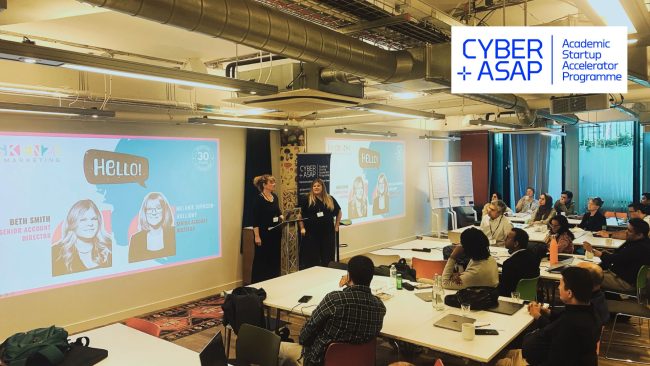
A few weeks ago, I had the absolute pleasure of running a cybersecurity PR and communications workshop alongside my Eskenzi colleague, Beth, for the Cyber Security Academic Startup Accelerator Programme (CyberASAP). The room was full of brilliant academics and entrepreneurs developing really interesting cybersecurity technologies to tackle some of today’s biggest digital challenges. And one of those challenges was getting some sort of cybersecurity PR strategy in place.
For those unfamiliar with it, CyberASAP is the UK’s only pre-seed academic accelerator, helping university researchers transform cutting-edge cybersecurity research into commercially viable products.
Working with such an inspiring group of cybersecurity founders was a real reminder that while technical innovation is essential, being able to communicate that innovation is just as important. In fact, one of the biggest challenges many of the founders shared wasn’t around developing their technology; it was explaining it to people outside the cybersecurity industry.
It’s something here at Eskenzi we hear time and again from founders, CISOs and CTOs. They’re experts in their field, but when it comes to speaking with journalists, presenting at events or commenting on industry trends, translating years of technical knowledge into clear, compelling stories for a cybersecurity PR plan doesn’t always come naturally.
The reality is, being a thought leader isn’t about having all the answers or becoming a polished public speaker overnight. It’s about sharing your expertise in a way that’s relevant, accessible and valuable to your audience.
That has never been more important.
Traditionally, thought leadership has been about building credibility through media interviews, conference speaking opportunities and insightful commentary. While those remain important, the way people discover expertise is changing.
Prospective customers, investors and even journalists are increasingly using AI-powered tools such as ChatGPT, Claude and Gemini alongside traditional search engines to research companies, understand emerging cyber threats and identify trusted experts. As a result, organisations are starting to think about Generative Engine Optimisation (GEO) as part of a solid cybersecurity PR strategy, creating authoritative, expert-led content that is more likely to be referenced and surfaced in AI-generated responses.
Unlike traditional SEO, GEO isn’t about chasing keywords. It’s about building a reputation for credible, insightful content that demonstrates genuine expertise. You can listen and read all about it in one of our previous blogs here.
This is where technical founders and cybersecurity leaders have a real opportunity.
The most successful spokespeople aren’t necessarily the most technical. They’re the ones who can explain complex issues in plain English, offer informed opinions on emerging trends and help audiences understand why a particular issue matters.
That’s exactly what journalists are looking for too.
When a breaking cybersecurity story hits the headlines, reporters don’t need a product pitch. They need someone who can explain the wider implications, provide context and offer practical insight. The same principle applies whether you’re speaking to customers, investors or increasingly, contributing to the body of knowledge that shapes AI-assisted search.
During our CyberASAP workshop, it was rewarding to see confidence grow throughout the day. With a little coaching, founders who initially worried about speaking to the media quickly realised they already had the expertise. They simply needed to shift their focus from explaining the technology to explaining the impact, and this is what forms a great basis for cybersecurity PR.
For cybersecurity organisations, developing technical experts into confident spokespeople isn’t just a nice-to-have. It’s becoming a strategic advantage. Consistent thought leadership helps build trust, strengthens your reputation and creates a digital footprint that extends far beyond your own website.
The cybersecurity industry certainly doesn’t lack expertise. What it needs is more voices willing to share that knowledge with clarity, confidence and authenticity. As search continues to evolve and AI becomes part of how people discover information, those trusted voices will only become more valuable.
Sometimes, all it takes is helping technical experts realise that their greatest strength isn’t just what they know; it’s their ability to help others understand it.
If you need help with making your cybersecurity experts thought leaders and support with your cybersecurity PR strategy, why not drop us a line via hello@eskenzipr.com